This month, we look at Division 51’s newest featured article in our featured article series: Navigating Gendered Racism: Black Men’s Experiences and Responses to Stereotyping. Dr. Kurt Loiseau explores how Black men in the United States face a gendered form of racism and how specific stereotypes are applied only to Black men. We asked him about his article and he what he discovered in his research.
Loiseau, K. J., Mahalik, J. R., Butt, A., De Pina Gomes, C. E., & Kang, S. C. (2026). Navigating gendered racism: Black men’s experiences and responses to stereotyping. Psychology of Men & Masculinities, 27(3), 330–342. https://doi.org/10.1037/men0000558
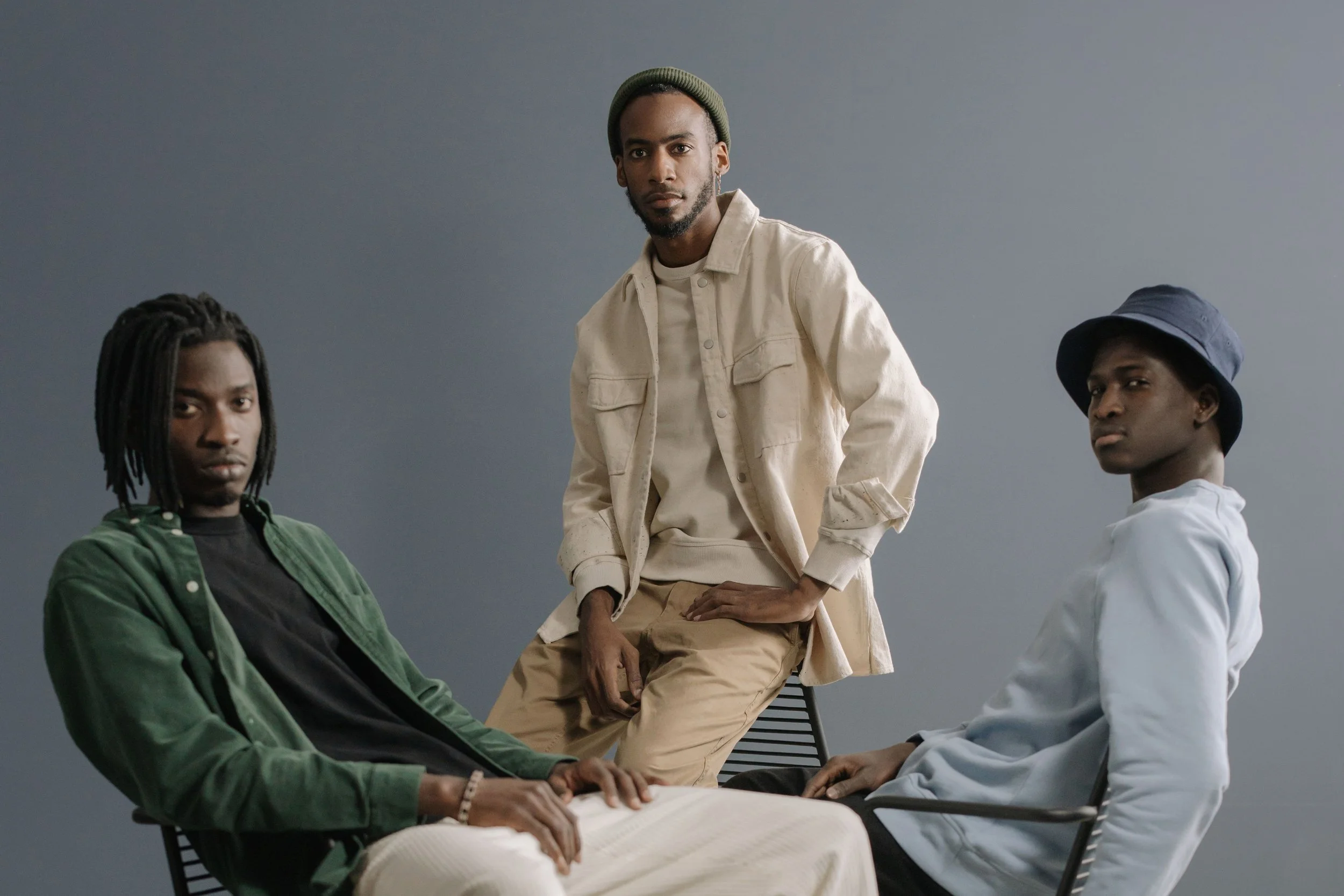
Image from Cottonbro Studios: Pexels
What were the key questions you were addressing in this article?
The goal of this paper was to (1) expand the literature on the stereotypes that Black men face and (2) explore how Black men emotionally experience and respond to being stereotyped. The study is grounded in the concept of gendered racism, which highlights the importance of gender and how specific groups (e.g. Black men) experience specific stereotypes that differ from other groups (e.g., Black women or other men of color). Prior literature has begun to show Black men’s unique experiences of gendered racism, but little is known about how these experiences are managed and navigated in everyday life. To address this gap, this relies on Black men’s direct accounts of stereotypes they have encountered and their emotional and behavioral responses to them.
What were the main conclusions of your article?
Qualitative data analysis showed how Black men experienced a wide range of stereotypes within their day-to-day lives. Examples of these stereotypes are assumptions of aggression, criminality, and cultural homogeneity, among many others. There were several themes that noted the difficulty in responding to these stereotypes. These include examples like disavowed anger, in which participants felt angry yet restrained their genuine response due to fear of experiencing more racism, or internalization of the racist experience in which they ultimately felt bad about themself or blamed themselves. These findings highlight how experiences of dehumanization are present in everyday contexts (e.g., work, store, social group, etc.) and lead to a constant, internal negotiation of one’s identity as a Black man.
What are the key implications of your article for research, policy, or practice?
These findings highlight Black men’s unique experiences of racism and also the importance in dismantling narratives and systems rooted in anti-Blackness that perpetuate these stereotypes. Within the clinical world, it would be beneficial for providers to be aware of the unique stereotypes Black men experience, how clients may commonly respond, and its impacts on their overall mental well-being. For example if a client worked in a racist environment and commonly reported feeling unheard, it would be pertinent for the clinician to be aware of gendered racism and explore how these constant experiences of dehumanization contribute to internal conflict. In terms of policy, there is importance in recognizing that these problems faced by Black men are further compounded by, for example, the current administration's administrations removal of DEI. Actions like this increase the vulnerability to discriminatory practices in employment, educational, and/or judicial settings.
Where do you see this line of research heading in the future (i.e., what's next)?
Future work could build on these findings by exploring several topics, including coping strategies utilized to resolve the gendered racism and/or specific emotional experiences during versus after a racist experience. Research would benefit from a focus on a population who hold other identities that are marginalized (e.g., sexual orientation, SES) and examine how these identities play a role in the type of stereotypes and how one responds.
How did you become interested in this line of inquiry?
The short and sweet answer to this question goes back to the adage of “research is me-search”. I have always been interested in stereotyping and racial trauma because of my own experiences of racism growing up in predominantly-White spaces. As I entered the research field, I noticed a lack of focus on how gender plays a role in the experience of racism. Thus, I wanted this project to highlight the unique dynamic race and gender have and for a population that has been vastly underrepresented.
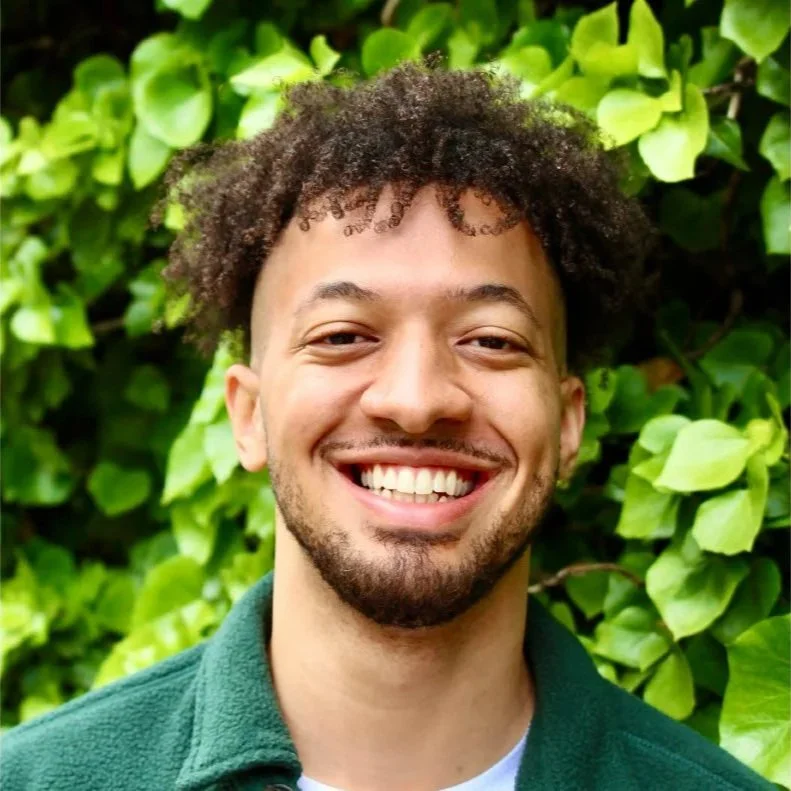
Kurt Loiseau, M.A.
(he/him/his)
PhD Candidate, Counseling Psychology
Boston College