Barriers to Help-Seeking Among Male Victims of Female-Perpetrated Intimate Partner Violence: Insights from Black, Latino, and White Men
This month we talked to Dr. Lyric N. Russo about her new article published in Psychology of Men & Masculinities. The paper seeks first to elucidate the difficulties men have in seeking help after an incident of intimate partner violence and secondly how barriers to that help differ between Black, Latino, and White men. (full citation below)
Russo, L. N., Hines, D. A., Mezzapelle, J. L., Sabina, C., Lee, K. A., & Douglas, E. M. (2026). Barriers to help-seeking among male victims of female-perpetrated intimate partner violence: Insights from Black, Latino, and White men. Psychology of Men & Masculinities. Advance online publication. https://doi.org/10.1037/men0000560

Image by Andrew Patrick Photo: Pexels
What were the key questions you were addressing in this article?
We know that men experience intimate partner violence (IPV) at substantial rates, yet far less is known about the barriers they encounter when seeking support. Although a growing body of qualitative research has documented challenges male victims face when disclosing abuse or accessing services, there remains relatively little quantitative research examining the prevalence of specific help-seeking barriers, particularly among non-help-seeking samples of men. In addition, most existing studies have relied on predominantly White samples, leaving important gaps in our understanding of how help-seeking experiences may vary across racial and ethnic groups.
In this study, we addressed two primary questions: First, what barriers to help-seeking are most commonly reported by male victims of female-perpetrated IPV? Second, does the endorsement of these barriers differ among Black, Latino, and White men? By examining both shared and group-specific barriers, we sought to better understand how social, cultural, and structural factors may shape men’s help-seeking experiences following IPV victimization.
What were the main conclusions of your article?
One of the most striking findings was that many barriers were shared across all three groups. Men commonly reported viewing IPV as a private matter, feeling shame or embarrassment, fearing retaliation from their partner, worrying they would be blamed, and believing they would not be taken seriously. At the same time, important differences emerged. Compared to Black men, Latino men reported more barriers overall and were more likely than both Black and White men to report concerns related to family shame and difficulties disclosing their experiences. Latino men were also more likely than White men to report language- and immigration-related barriers and partner interference. White men, in contrast, were more likely than Latino men to report difficulty recognizing or labeling their experiences as abuse. Black men were less likely than Latino and White men to report concerns about not being believed or that others would view their experiences as unimportant, although a substantial proportion of Black men still identified these as barriers. Collectively, these findings suggest that while many challenges to help-seeking are broadly shared, cultural, social, and structural factors may shape how men experience and navigate those barriers.
What are the key implications of your article for research, policy, or practice?
The findings highlight the need for services that are both gender-inclusive and culturally responsive. Many participants felt that existing resources were not designed with male victims in mind or worried that they would not be believed if they sought help. Improving access to support requires addressing stigma surrounding male victimization while also recognizing the ways that culture, language, immigration concerns, and other structural factors may influence help-seeking. More broadly, the study demonstrates the importance of moving beyond one-size-fits-all approaches when designing services and outreach efforts, particularly for male victims.
Where do you see this line of research heading in the future (i.e., what’s next)?
I see this work moving beyond identifying barriers to understanding what facilitates help- seeking, disclosure, and engagement with formal and informal sources of assistance among diverse groups of IPV victims. As a next step, our team is analyzing interview data from Black and Latino male IPV victims, as well as service providers who work with male victims. Through these complementary perspectives, we hope to better understand men’s experiences recognizing abuse, seeking help, and navigating formal and informal sources of support, while also identifying best practices, gaps in existing services, and opportunities to improve responses to male victims. Together, these studies will help us better understand which resources men find most helpful, how service systems can become more accessible and responsive, and how factors such as race, ethnicity, culture, and immigration experiences shape pathways to seeking assistance. We are also interested in identifying educational, training, and intervention opportunities that can help reduce barriers to help-seeking, strengthen service delivery, and better meet the needs of underserved populations. Ultimately, I hope this line of research contributes to the development of more inclusive, culturally responsive, and evidence-informed approaches to supporting all victims of interpersonal violence.
How did you become interested in this line of inquiry?
My interest in this work is informed by both my research and my experience working with victims of interpersonal violence in community settings. Through these experiences, I developed a deep appreciation for the role that help-seeking plays in connecting victims with resources, services, and support that can enhance safety and reduce the risk of continued victimization. At the same time, I observed that many individuals encountered significant barriers when attempting to access assistance. These experiences sparked my interest in understanding the factors that impede help-seeking, particularly among underserved and often overlooked victim populations, and in using that knowledge to inform improvements in services, support systems, and victim outcomes.
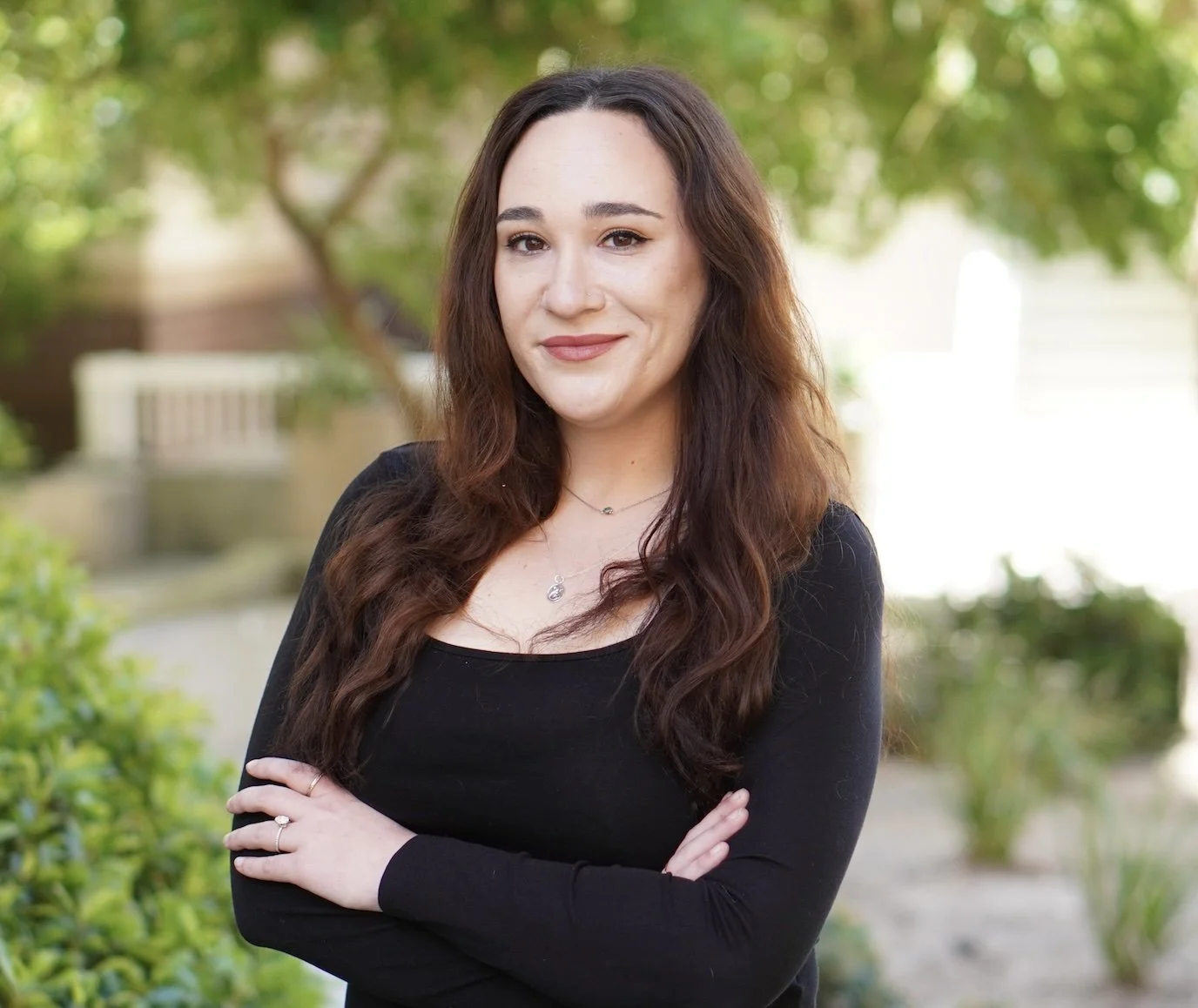
Dr. Lyric N. Russo
Department of Social Work
College of Public Health
George Mason University