This month we talked to Dr. Kyle M. Brasil, as a part of our series highlighting different articles in our journal, The Psychology of Men and Masculinities. We discussed his article Masculinity and Depressive Symptoms Among Rural and Urban Men with him. He told us what kinds of questions he was hoping to address in this article, the things he discovered in this article, as well as where he sees this research heading in the future.
Brasil, K. M., McDermott, R. C., & Jenkins, D. L. (2026). Masculinity and depressive symptoms among rural and urban men. Psychology of Men & Masculinities, 27(1), 50–59. https://doi.org/10.1037/men0000529
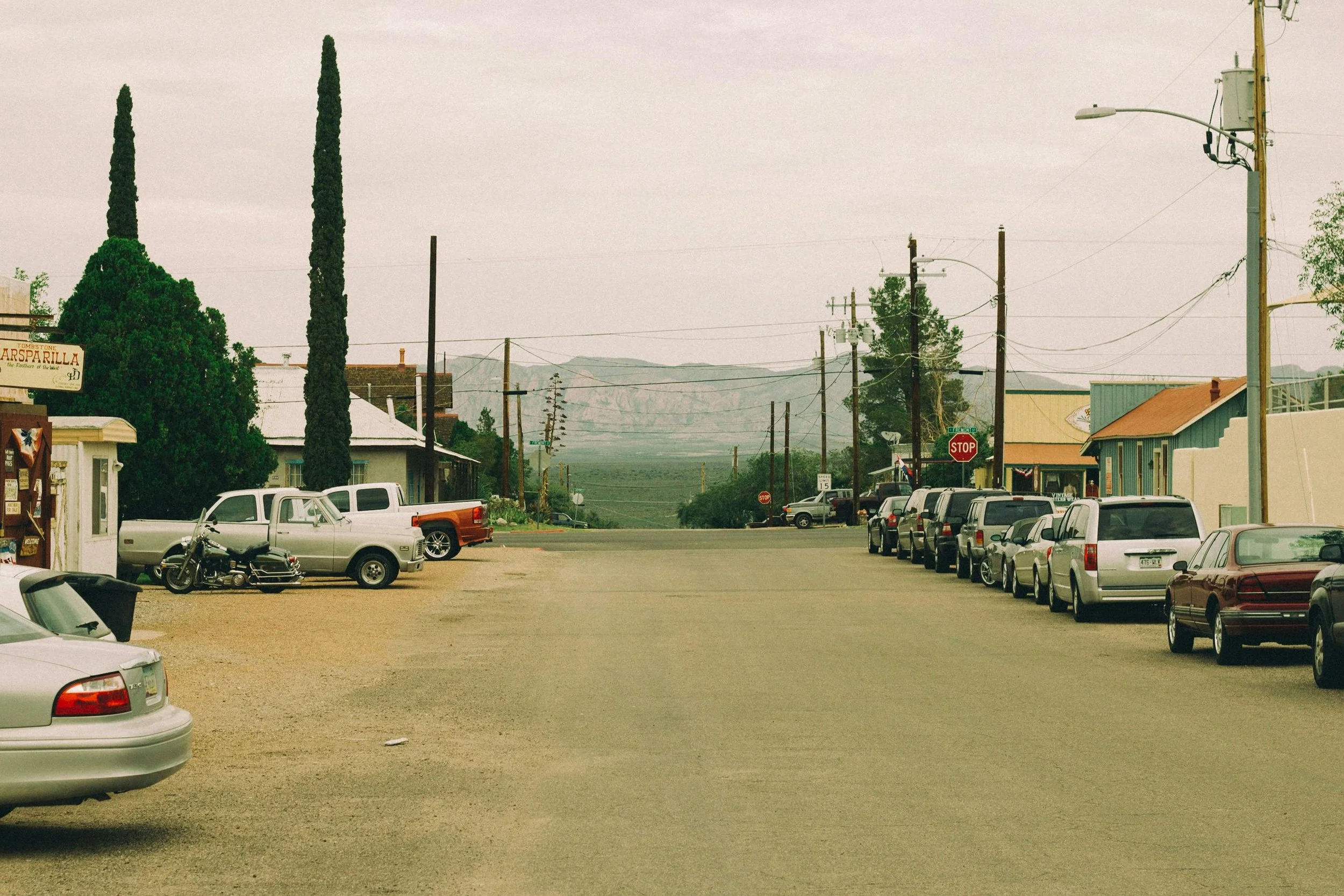
Photo by Josh Sorenson: Pexels
What were the key questions you were addressing in this article?
In this article, my colleagues and I sought to address three hypotheses. We first wanted to examine the direct relationships between endorsement of traditional masculine ideology (TMI), conforming to emotional control and self-reliance (masculine norms), classical depression, and masculine depression. We then examined if masculine norms (i.e., self-reliance and emotional control) influenced (i.e., mediated) the relationships between TMI and classical depression and TMI and masculine depression. Lastly, we then examined if there were differences (i.e., moderation) between rural and urban men on any of the previously mentioned associations.
What were the main conclusions of your article?
We found that endorsement of traditional masculinity ideology (TMI) was associated with more conformity to the masculine norms of emotional control, self-reliance, and masculine depression. However, TMI was not directly associated with higher levels of classical depression. We found nuanced and unexpected patterns of mediation. Consistent with previous literature, we found that self-reliance mediated TMI and both led to more levels of masculine and classical depression. Unexpectedly, we found that emotional control mediated TMI and was associated with lower levels of classical and masculine depression. Lastly, in general, we found more similarities between rural and urban men on these relationships. We did find some differences (i.e., moderation) and when we did it was urban men who had the stronger effects. This was counter to our hypothesis that these effects would be stronger for rural men.
What are the key implications of your article for research, policy, or practice?
More broadly, I think the key implications are being aware of differing presentations of depression and how these presentations are influenced by our clients’ lived experiences. As practitioners, being aware of client’s backgrounds is pertinent to helping our conceptualizations and increasing our ability to accurately diagnose and treat individuals. We commonly are trained and do consider other demographic and cultural factors such as race, ethnicity, and sex. However, I think rurality is commonly overlooked. When reading research, I rarely see this variable reported in the demographics, unless it was a focus of the study. This is concerning given that rural experiences are vastly different than urban and suburban experiences. Furthermore, rural communities make up about 20% of the U.S. population. Similarly, being aware of our clients’ backgrounds also can influence the effectiveness of treatment and what differing approaches we may consider. Problem-solving approaches with an individual from a lower resourced rural community will be different compared to the same intervention used with someone who is not. Specific to research, I think we need more research in general examining all of our psychological variables as applied to rural communities. Rural communities are underserved, underreported, and under researched. Lastly, at the policy level, I think we need to advocate more and develop policies and resources for rural communities. I believe that our study spotlights these issues and gaps in our current knowledge and hope that others begin to seek addressing them too.
Where do you see this line of research heading in the future (i.e., what’s next)?
I foresee and am currently working on two related branches of research based upon our study and topic. The first branch is more theoretically driven; exploring the intersection between rurality and masculinities. Early on, it was theorized that rural men and communities were epitomes of traditional masculine ideologies and conformity to masculine norms. However, our study (and the limited few prior to ours) indicate more nuanced differences with similarities being more predominant. These nuanced patterns need to be further explored along with the consideration of is there a different constellation of masculine norms for rural communities than there are for urban communities. My second branch of research is more applied in that we are examining what are the positive and negative outcomes of endorsing and conforming to masculine norms within rural communities. For example, at the time of writing this, we are collecting data examining how these masculine variables may increase or decrease mental health symptomology (e.g., depression, suicide) and how these interactions impact perceptions of help-seeking from a mental health professional. From this study, we are hoping to develop qualitative interviews for a second study to identify rural men’s and communities’ perceptions and understanding of masculinities (addressing the theoretical branch). My hope is to use both studies to then develop and research programming/interventions designed to help rural men who are suffering from mental health-related issues.
How did you become interested in this line of inquiry?
I was born and raised in Idaho, which is a predominantly rural state. Idaho is consistently ranked in the bottom for mental health services and the top for suicide. There are several factors that influence these rankings. However, as I started to learn about masculine ideologies and conformity to masculine norms, I was shocked because these were things I heard or saw all the time and had direct impact on people’s lives. I have seen firsthand the strengths and detriments that can come with the “cowboy up” mentality. For example, I cannot tell you the number of times people have refused to go to a medical doctor because they were just going to “tough it out”. When I decided I wanted to become a psychologist, it was in part so that I could help my community at large. This area of research is one that I see having the potential to have major impacts for community.

Kyle M. Brasil, Ph.D. (he/him)
Assistant Professor of Psychology
Department of Psychology
Northwest Nazarene University